 Esperanto
 Shqiptare
 Euskara
 Zulu
Zulu
 Latinus
 Cymraeg
 தமிழ்
தமிழ்
 Slovak
 Slovak
 Afrikaans



Key Factors to Consider When Selecting Rear Brake Pads Manufacturers
Release Time:
20 Sep,2023
1. Introduction When it comes to selecting rear brake pads manufacturers, making the right choice is crucial for the overall performance and safety of your vehicle. With a wide range of options available in the market, it's important to consider various factors before making a decision. In this article, we will guide you through the key factors to keep in mind when choosing brake pad manufacturers, ensuring that you make an informed choice that meets your specific requirements.
1. Introduction
When it comes to selecting rear brake pads manufacturers, making the right choice is crucial for the overall performance and safety of your vehicle. With a wide range of options available in the market, it's important to consider various factors before making a decision. In this article, we will guide you through the key factors to keep in mind when choosing brake pad manufacturers, ensuring that you make an informed choice that meets your specific requirements.
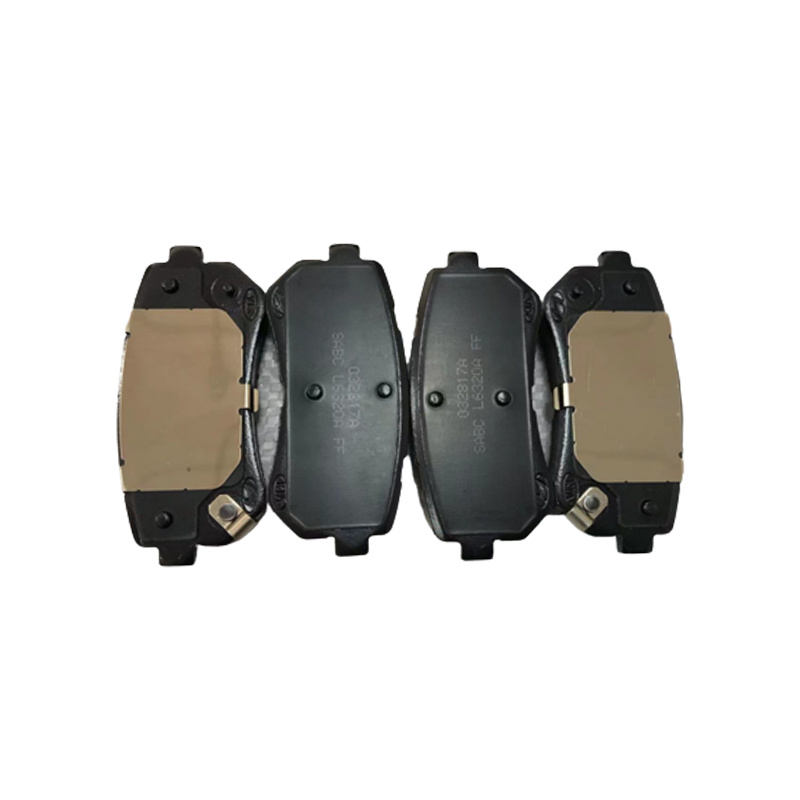
2. Quality and Material of Brake Pads
The quality of brake pads plays a vital role in the braking system's effectiveness and longevity. Opt for manufacturers that prioritize quality in their products. Look for brake pads made from high-quality materials, such as ceramic, semi-metallic, or organic compounds. These materials offer different advantages in terms of performance, durability, noise reduction, and resistance to heat and wear. Assess the quality standards and testing procedures followed by the manufacturer to ensure that they meet industry standards.
3. Compatibility with Your Vehicle
Selecting rear brake pads manufacturers that offer compatibility with your specific vehicle model is crucial. Different vehicles have different brake pad requirements, including size, shape, and fitting mechanisms. Manufacturers who provide a wide range of brake pads specifically designed for your make and model ensure proper fitment and optimal performance. Refer to your vehicle's owner's manual or consult a trusted mechanic to determine the suitable brake pad specifications for your vehicle.
4. Performance and Durability
Consider the performance and durability of the brake pads offered by manufacturers. Look for features such as responsive braking, minimal noise and vibration, and consistent performance across various driving conditions. Manufacturers that conduct rigorous testing and invest in research and development are more likely to provide brake pads that deliver excellent performance and long-term durability.
5. Certification and Standards
Ensure that the rear brake pads manufacturer adheres to industry certifications and standards. Look for certifications such as ISO 9001, which indicates compliance with quality management systems. Manufacturers who meet these standards are more likely to offer reliable and trustworthy products. Additionally, check for any certifications specific to your region or country to ensure compliance with local regulations and safety standards.
6. Customer Reviews and Reputation
Research the manufacturer's reputation and customer reviews before making a decision. Online platforms and automotive forums provide valuable insights into the experiences of other customers. Look for consistent positive feedback regarding product quality, performance, and customer service. A manufacturer with a good reputation is more likely to prioritize customer satisfaction and deliver reliable brake pads.
7. Cost and Value for Money
Consider the cost of the brake pads and evaluate the value for money they offer. While it is essential to consider the price, prioritize the overall value provided by the manufacturer. Cheaper options may compromise on quality and performance, leading to frequent replacement or safety issues. Look for manufacturers that offer a balance between cost and quality, ensuring that you get reliable brake pads without overpaying.
8. Warranty and Support
Check if the manufacturer offers a warranty on their rear brake pads. A warranty provides assurance of the manufacturer's confidence in their product's quality and durability. It also allows you to seek assistance or replacement in case of any issues. Consider the duration and coverage of the warranty offered. Manufacturers that provide excellent customer support and readily address customer concerns add further value to their offerings.
9. Frequently Asked Questions (FAQs)
Q1: How often should I replace my rear brake pads?
A1: The frequency of brake pad replacement depends on various factors, including driving habits, terrain, and the quality of the brake pads. On average, brake pads may last between 30,000 to 70,000 miles. However, it is recommended to get them inspected regularly and replaced when necessary.
Q2: Can I install brake pads myself?
A2: While some individuals prefer to DIY brake pad installation, it is recommended to have them installed by a professional mechanic. Proper installation ensures optimal performance and safety.
Q3: Are ceramic brake pads better than semi-metallic ones?
A3: Ceramic brake pads offer advantages such as reduced noise, minimal brake dust, and improved heat dissipation. Semi-metallic brake pads, on the other hand, provide better performance under extreme conditions. The choice depends on your specific requirements and driving conditions.
Q4: Can I mix different brands of brake pads?
A4: It is not recommended to mix different brake pad brands, as they may have different materials and performance characteristics. Stick to a single brand for optimal compatibility and performance.
Q5: How can I extend the lifespan of my rear brake pads?
A5: Regular maintenance, including brake inspections, proper braking techniques, and avoiding aggressive driving, can help extend the lifespan of your brake pads.
10. Conclusion
Selecting the right rear brake pads manufacturer is essential for optimal performance, safety, and longevity of your vehicle's braking system. Consider factors such as quality, compatibility, performance, certifications, customer reviews, cost, and warranty before making a decision. By prioritizing these key factors, you can make an informed choice and ensure that your vehicle's braking system operates at its best, providing a safe and smooth driving experience.
Keywords:
The company's Private label Damos

Contact Us
Phone:
+86-18610364790
Whatapp: +86-13671204953
Email: dh3@hebeidonghu.com
Address: No. 7, Yinhai Road, Wei County, Xingtai City, Hebei Province
Scan the code to add WeChat
Scan the code to add WeChat
Scan the code to add WeChat
Donghu Automobile Chassis Parts Co., Ltd.